

It’s rare to have a chance to speak at length about a book, so this interview with Story Monsters Ink Magazine was a real treat!
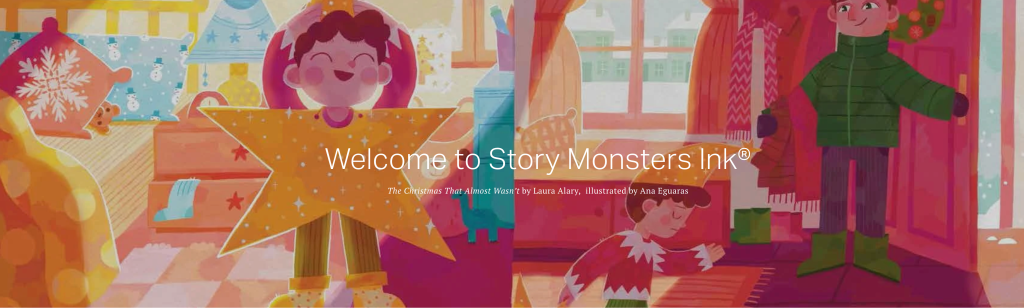
While picture books need to be able stand on their own, without further explanation, sometimes it’s helpful to share the story behind the story, or talk about my intentions as an author. Whenever I’ve read The Christmas That Almost Wasn’t aloud to groups of children, they’ve been interested to learn that the story was inspired by a real ice storm. It seems to invite them to make connections to their own experiences of storms, or disappointment, or unexpected loss.
In this interview I offer suggestions to parents and teachers who may want to take the conversation further, or apply it specifically to matters of faith. For example, one of the questions concerns helping families refocus on the deeper meaning of Christmas. I reply:
“In The Christmas That Almost Wasn’t Aidan’s family is forced to refocus because of external circumstances. Things that normally would have occupied them—preparing food, welcoming guests, special events at church—are stripped away by the storm.
Maybe not having a choice makes it easier. There can be so much pressure (especially social and financial) in the weeks leading up to Christmas, but even if it weighs us down, saying no is hard. In the days following the ice storm of 2013, while I was disappointed and anxious about many things, I also felt relieved to let go of some commitments and slow down for a while. I remember wondering why it took a severe storm to make me see what was needed.
Maybe this story can lead families to wonder together about what is most essential. What could we take away from our traditions and obligations and still have Christmas? Is there anything we no longer need but have been afraid to let go of? Is there anything missing that would make our celebration more meaningful?“
And in response to how this story can help spark conversations about faith:
“My own sense is that if we want our children to have a resilient faith, not one that is fragile and falls apart when things go wrong, we need to help them learn how to be in the dark. This means making room for their honest questions and doubts. It also means providing ways for them to explore and express their feelings—including the tough ones. We might point out that Jesus felt emotions like grief, anger, loneliness, and frustration. We can reassure children that having hard feelings does not mean that we lack faith, or that God is not with us.”
You can read the full interview here.
 Laura Alary